
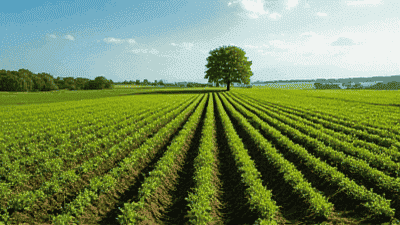
Sustainable agriculture is a crucial aspect of ensuring food security and protecting the environment for future generations. Among the various methods adopted by farmers to maintain soil health and increase crop productivity, crop rotation emerges as one of the most effective and sustainable practices.

In today’s world, sustainable living has become an essential consideration for homeowners and renters alike. As we look for ways to reduce our carbon footprint, one of the most effective strategies is to create an energy-efficient home. Not only does an energy-efficient home benefit the environment, but it can also result in substantial savings on energy bills.

As concerns about air quality and environmental sustainability continue to rise, many people are seeking natural solutions to enhance their living spaces. One effective and beautiful method for improving indoor air quality is the incorporation of indoor plants. Not only do these green companions add beauty to interiors, but they also play a significant role in cleaning the air, promoting well-being, and contributing to sustainable living practices.
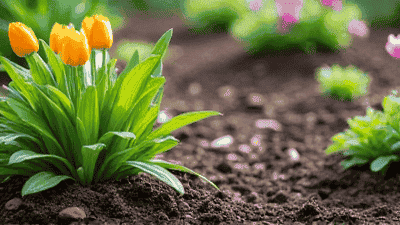
Gardening offers a unique blend of art, science, and environmental passion. It allows individuals to connect with nature while contributing to ecological balance and sustainability. Among various gardening practices that promote plant health and environmental stewardship, mulching stands out as an incredibly effective technique.
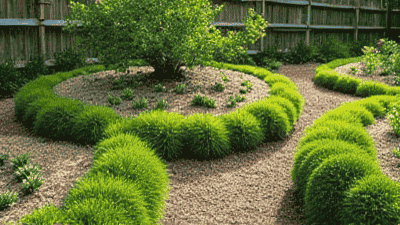
In an era marked by the detrimental effects of climate change, water scarcity has become an increasingly pressing concern. Regions around the world are experiencing prolonged droughts, leading to a greater need for sustainable water management practices in landscaping and gardening. Xeriscaping is an innovative approach that emphasizes the use of drought-resistant plants and efficient irrigation methods to create beautiful, low-maintenance, and water-efficient gardens.